Introduction
The advent of autonomous vehicles (AVs) is revolutionizing the automotive industry, and its ripple effects are being felt across various sectors, including car insurance. As self-driving technology continues to evolve, it presents both challenges and opportunities for insurers. This article delves into how autonomous vehicles are transforming car insurance, examining the changes in risk assessment, the emergence of new insurance models, and the overall impact on road safety.
### The Rise of Autonomous Vehicles
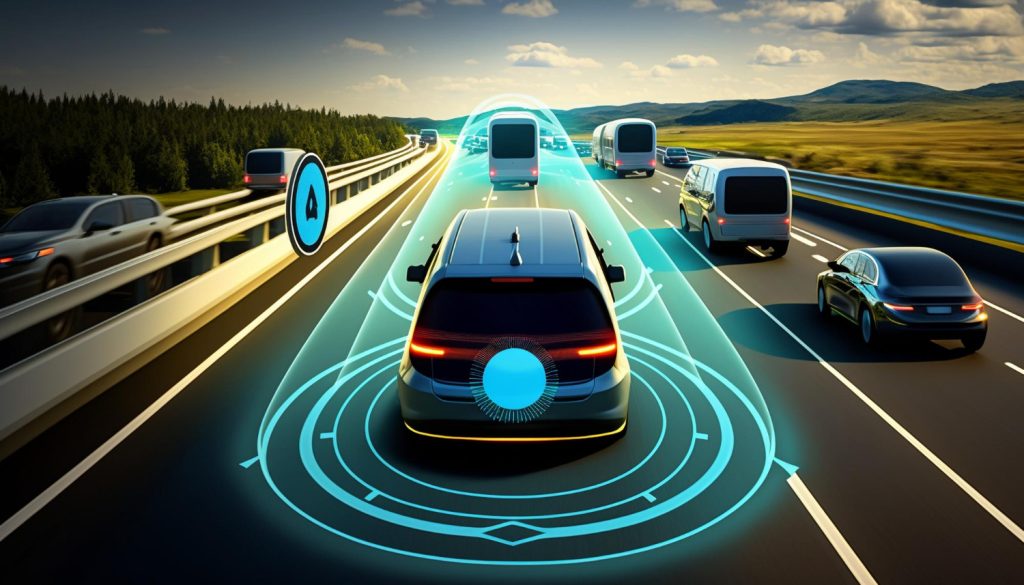
Autonomous vehicles, equipped with advanced sensors, machine learning algorithms, and powerful computing capabilities, are designed to navigate and operate without human intervention. Companies like Tesla, Waymo, and Uber are at the forefront of this technology, pushing the boundaries of what is possible on the roads. As AVs become more prevalent, they promise to reduce accidents, improve traffic efficiency, and provide greater mobility options for all.
### Changes in Risk Assessment
One of the most significant impacts of autonomous vehicles on car insurance is the shift in risk assessment. Traditional insurance models rely heavily on driver behavior, but AVs change this dynamic fundamentally.
**Reduced Human Error**
Human error is a leading cause of road accidents, accounting for over 90% of crashes. Autonomous vehicles, with their precise algorithms and constant awareness, are expected to drastically reduce these errors. Insurers will need to adjust their risk models to account for this decreased likelihood of accidents. This shift could lead to lower premiums for AV owners, reflecting the reduced risk.
**New Risk Factors**
While AVs eliminate many human errors, they introduce new risk factors related to technology. Issues such as software malfunctions, hacking, and sensor failures become critical considerations. Insurers will need to develop expertise in assessing these technological risks, which differ significantly from traditional risk factors.
### Emergence of New Insurance Models
The traditional car insurance model, based on individual driver risk profiles, may become obsolete in an era dominated by autonomous vehicles. New models are emerging to address the unique characteristics of AVs.
**Product Liability Insurance**
With autonomous vehicles, the responsibility for accidents may shift from drivers to manufacturers and software developers. This change could lead to an increase in product liability insurance, where manufacturers are held accountable for any malfunctions or failures of their vehicles. Insurers will need to work closely with AV manufacturers to understand the complexities of the technology and develop appropriate coverage.
**Usage-Based Insurance (UBI)**
Although UBI is already gaining traction with the advent of telematics, it will become even more relevant with autonomous vehicles. UBI policies, which base premiums on actual vehicle usage and driving behavior, can be adapted to monitor the performance and reliability of AV systems. This approach ensures that insurance costs are aligned with the real-world usage and performance of the vehicle.
### Impact on Road Safety
The potential of autonomous vehicles to enhance road safety is one of their most significant benefits. However, the transition period, where autonomous and traditional vehicles share the road, presents unique challenges.
**Mixed Traffic Environments**
During the transitional phase, AVs will need to coexist with human-driven cars. This mixed traffic environment could initially lead to confusion and accidents, as human drivers may not always behave predictably. Insurers must consider these transitional risks and develop strategies to mitigate them.
**Improved Data Collection**
AVs are equipped with a multitude of sensors and data collection tools, providing insurers with unprecedented access to detailed information about vehicle performance and driving conditions. This wealth of data can be used to refine risk models, predict potential issues, and enhance overall safety. For example, insurers could identify and address high-risk areas or conditions that frequently lead to AV malfunctions.
### Regulatory and Legal Considerations
The regulatory landscape for autonomous vehicles is still evolving. Governments around the world are working to establish guidelines and standards to ensure the safe deployment of AVs. Insurers will need to stay abreast of these regulatory developments and adapt their policies accordingly.
**Evolving Liability Frameworks**
As responsibility shifts from drivers to manufacturers, the legal frameworks surrounding liability will need to be redefined. Insurers will play a crucial role in shaping these frameworks, ensuring that there is clarity around who is responsible in the event of an accident involving an autonomous vehicle.
**Standardization of Technology**
Regulations will also need to address the standardization of autonomous vehicle technology. Insurers will benefit from standardized safety and performance benchmarks, making it easier to assess and compare the risks associated with different AV models.
### Conclusion
Autonomous vehicles are set to transform the car insurance industry in profound ways. By reducing human error, introducing new risk factors, and necessitating new insurance models, AVs present both challenges and opportunities for insurers. As the technology continues to evolve and regulatory frameworks take shape, insurers must stay agile and innovative to navigate this changing landscape. The ultimate promise of autonomous vehicles is a safer, more efficient, and more reliable transportation system, and the car insurance industry will be a key player in realizing this vision.

