Introduction
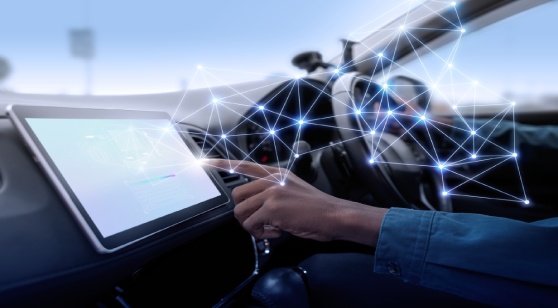
The car insurance industry is undergoing a significant transformation, driven by rapid advancements in technology. Innovations such as telematics, blockchain, and artificial intelligence (AI) are redefining how insurers assess risk, process claims, and ensure customer satisfaction. This article explores how these technologies are shaping the future of car insurance, making it more efficient, transparent, and customer-centric.
### Telematics: Driving Personalized Insurance
Telematics technology has revolutionized car insurance by enabling personalized policies based on individual driving behavior. This technology uses in-car devices or smartphone apps to collect real-time data on various driving metrics, such as speed, acceleration, braking patterns, and time of travel.
**Usage-Based Insurance (UBI)**
Usage-Based Insurance (UBI) leverages telematics data to offer customized premiums that reflect actual driving behavior. Safe drivers who exhibit cautious driving habits, such as smooth braking and adherence to speed limits, can benefit from lower premiums. Conversely, risky drivers may face higher rates. This personalized approach not only promotes safer driving but also aligns insurance costs more closely with the actual risk posed by each driver.
**Behavioral Feedback**
Telematics also provides drivers with real-time feedback on their driving habits. Insurers can offer incentives and rewards for safe driving, encouraging policyholders to adopt safer practices. Over time, this continuous feedback loop can lead to improved driving behaviors, reducing the likelihood of accidents and claims.
### AI and Predictive Analytics: Enhancing Risk Assessment
Artificial intelligence and predictive analytics are at the forefront of transforming car insurance. By analyzing vast amounts of data, AI can uncover patterns and trends that traditional methods might miss, leading to more accurate risk assessment and pricing.
**Accurate Risk Profiles**
AI algorithms analyze data from various sources, including telematics, driving history, weather conditions, and even social media activity, to build comprehensive risk profiles for drivers. This allows insurers to set premiums more precisely, reflecting the true risk associated with each policyholder. Predictive analytics can also forecast potential claims, enabling insurers to proactively manage risk and optimize their portfolios.
**Streamlined Claims Processing**
AI is streamlining the claims process by automating many routine tasks. When an accident occurs, AI-powered systems can assess damage through image recognition, verify the authenticity of claims, and even estimate repair costs. This reduces the need for manual inspections and accelerates the claims process, leading to faster payouts and improved customer satisfaction.
### Blockchain: Ensuring Transparency and Security
Blockchain technology is poised to bring unprecedented transparency and security to the car insurance industry. By creating immutable, decentralized records, blockchain can enhance trust between insurers and policyholders.
**Smart Contracts**
Smart contracts, which are self-executing contracts with the terms directly written into code, can automate various insurance processes. For instance, a smart contract could automatically trigger a claim payout when certain conditions are met, such as the confirmation of an accident via telematics data. This reduces administrative overhead and ensures timely and accurate claim settlements.
**Fraud Prevention**
Insurance fraud is a significant challenge, costing the industry billions of dollars annually. Blockchain can combat fraud by providing a transparent and tamper-proof record of all transactions. Insurers can use blockchain to verify the authenticity of claims, check the history of a vehicle, and ensure that no fraudulent activities have taken place. This increased transparency helps build trust and reduces the incidence of fraud.
### The Integration of IoT: A Connected Future
The Internet of Things (IoT) is another technological frontier reshaping car insurance. Connected devices, such as smart sensors and IoT-enabled cars, provide a continuous stream of data that insurers can use to assess risk and manage claims more effectively.
**Real-Time Monitoring**
IoT devices enable real-time monitoring of vehicle health and driver behavior. Insurers can receive instant alerts about potential issues, such as mechanical failures or unsafe driving practices. This proactive approach allows for preventative maintenance and timely interventions, reducing the likelihood of accidents and costly claims.
**Comprehensive Data Insights**
The vast amounts of data generated by IoT devices offer insurers deeper insights into risk factors and driving patterns. By analyzing this data, insurers can identify emerging trends, tailor their products to meet customer needs, and develop innovative solutions that enhance road safety.
### Conclusion
The future of car insurance is being shaped by groundbreaking technologies such as telematics, AI, blockchain, and IoT. These innovations are driving a shift towards more personalized, efficient, and transparent insurance practices. As technology continues to evolve, insurers that embrace these advancements will be better positioned to meet the changing needs of their customers and create a safer driving environment for all.

